MALAYSIA · PHILIPPINES · VENEZUELA
IMPSA hydropower programme
- Projects
- Bakun · CBK · Tocoma · Aña Cuá
- Marine ops
- Semi-submersible
- Scope
- Full project executed
Home/Capabilities/02 — Cargo Engineering & Heavy Lift
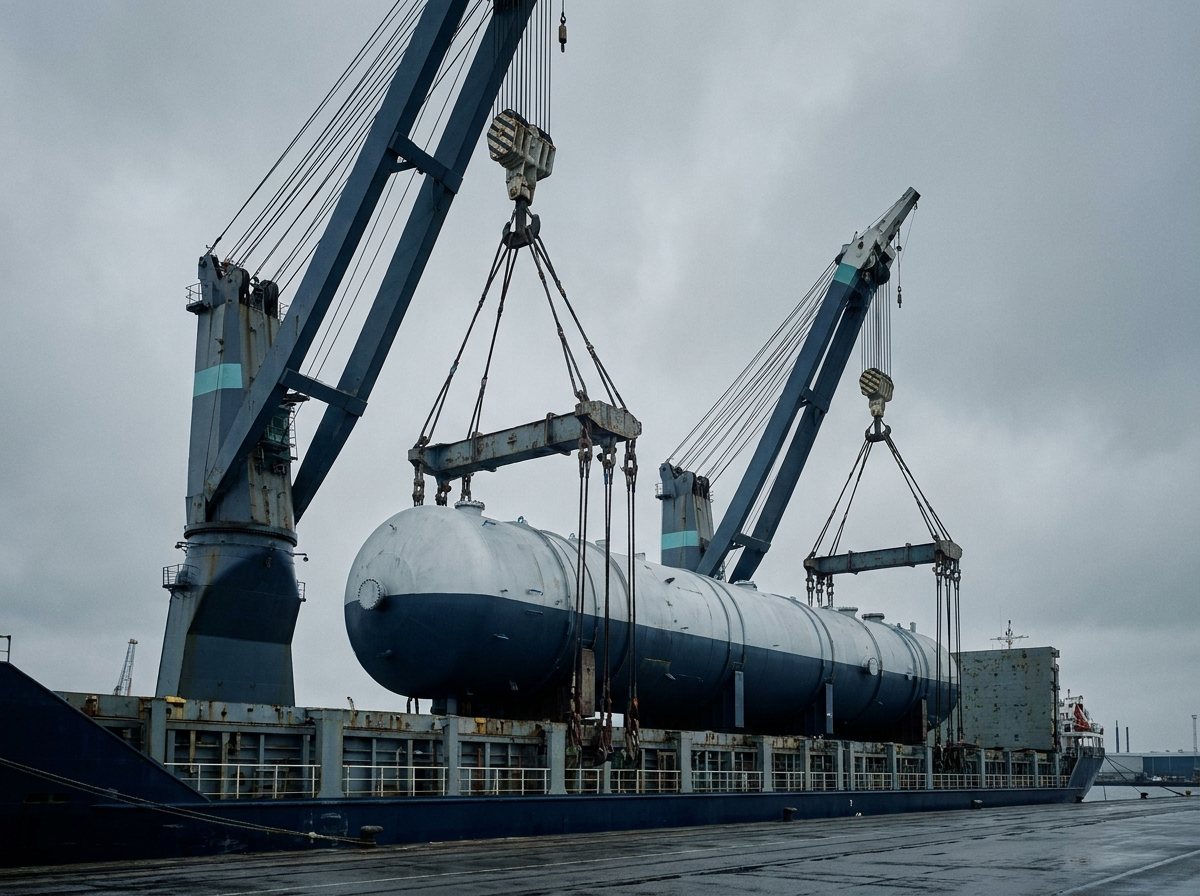
The engineering of the piece itself: how it is lifted, stowed and secured, how it travels by road to the quay — and which vessel can actually take it.
01 — What is actually being decided
A heavy or out-of-gauge piece fails at an interface: the lift, the sea-fastening, the road to the quay. These are settled before a vessel or trailer is nominated.
02 — Process
Naval architects, marine surveyors and specialist engineering firms are brought in where the piece requires them; the practice holds the integration and the record.
Dimensions, weights, centres of gravity, lifting points and transport drawings checked against the vessels and routes in play.
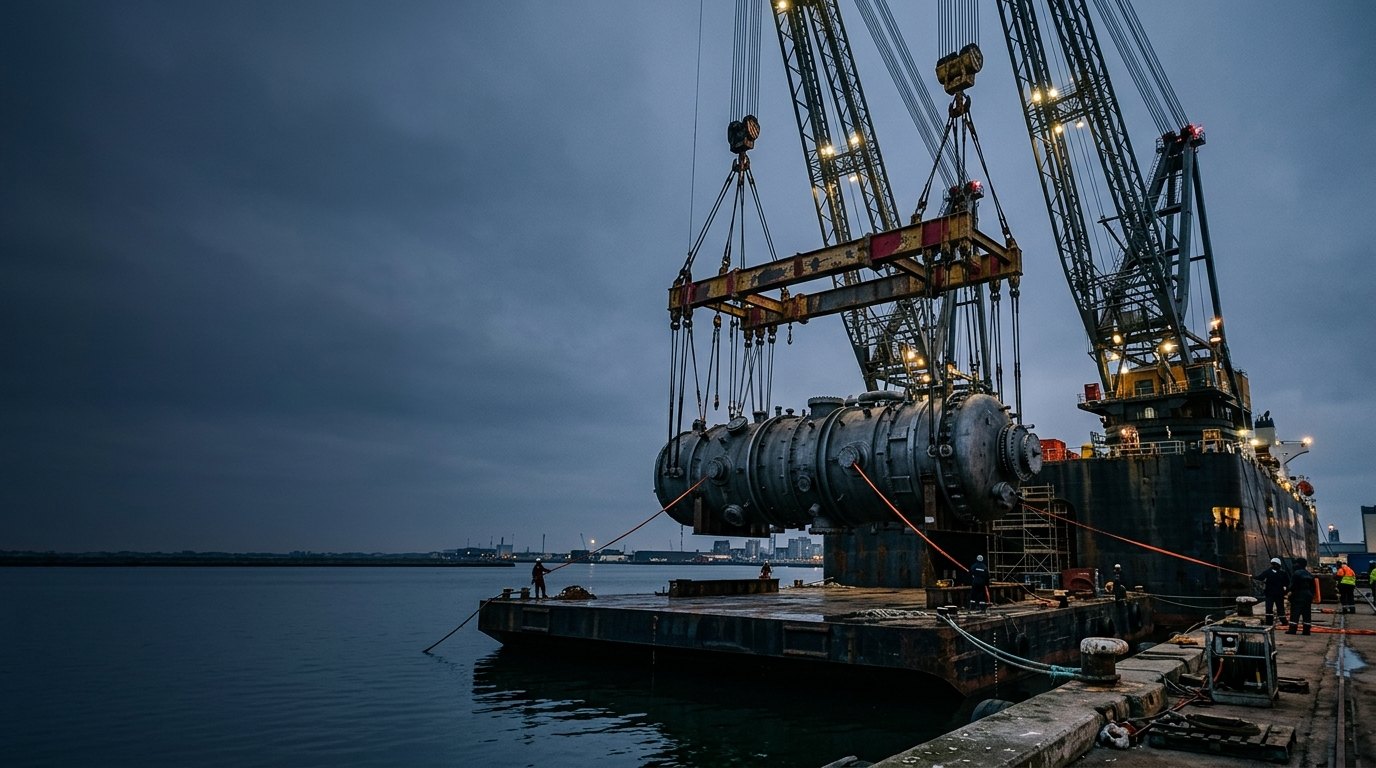
Crane requirements, rigging, lifting plans and discharge plans, with contingency resources identified.
Deck loading, stowage concept and lashing philosophy, with stability considerations.
Trailer or SPMT configuration, axle loads, permits and escorts from factory or port to site.
Gear, deck strength, hold dimensions and certificates reviewed before the fixture is agreed.
Pre- and post-loading inspection, lifting gear and certificate review, damage analysis where needed.
03 — Deliverables
04 — Coverage
Pieces routinely engineered:
Equipment and tonnage evaluated:
05 — On the record
Operations our team has directed whose cargo and corridor profile match this discipline. Figures as recorded; further project detail on request.
MALAYSIA · PHILIPPINES · VENEZUELA
BULGARIA → ARGENTINA
INTERNATIONAL
06 — Adjacent
Contact
Send the cargo, its origin and destination, and the window you are working to. The first reply sets out whether the move is feasible, the likely corridor, the main exposures and an indicative cost band — before anything is committed.
sz@szandcoadvisory.com London · worldwide